Why the First Hangout Is the Easy Part (And What Keeps Adults From Ever Having a Second)
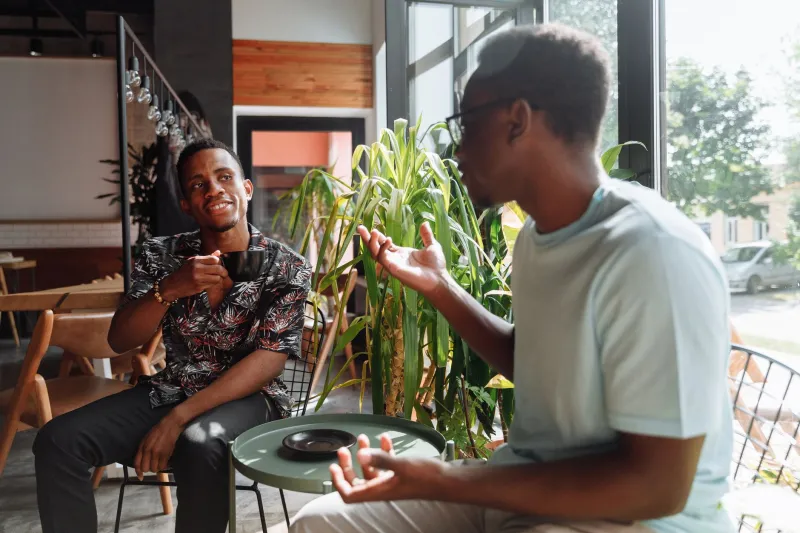
You met someone at a neighborhood cookout, a work happy hour, or maybe through an online community. The conversation flowed, you laughed at the same things, and by the end of the night you were both saying some version of "we should totally do this again." And then... nothing. Weeks go by. Maybe months. That person who felt like a potential real friend has quietly faded into the category of "someone you vaguely know."
If this pattern sounds familiar, you're not alone — and you're not flaky. What you're experiencing is one of the most common and least-talked-about struggles in adult social life: the follow-up gap. The first hangout gets treated like a one-time event rather than the opening move in something longer.
So why does this keep happening? And more importantly, what can you actually do about it?
The Illusion of Momentum
Here's the thing about a great first meetup: it feels like momentum, but it isn't. That warm, connected feeling you leave with is real — but it's also fragile. Without action, it evaporates faster than you'd expect.
Adults tend to mistake a good conversation for a foundation. In reality, it's more like a spark. Sparks need fuel and oxygen to become a fire. Without deliberate follow-through, they just go out.
Part of what makes this so tricky is that nobody wants to seem overeager. There's an unspoken social script in adult friendships that says coming on too strong is embarrassing, or that a real connection will "just happen" naturally if it's meant to be. That script is quietly killing a lot of potential friendships before they ever get started.
Why Adults Default to the One-and-Done Pattern
There are a few layers to this problem, and they're worth naming honestly.
Logistics are genuinely hard. When you were a kid, friendship was basically automatic — you saw the same people every day in the same place. As an adult, coordinating schedules between two people with jobs, families, and competing obligations can feel like planning a small military operation. The friction is real, and it's enough to make the whole thing feel not worth the effort.
Nobody wants to be the one who cares more. There's a vulnerability in reaching out first. What if they don't respond? What if they were just being polite? Adult friendships carry a weird social anxiety that most people don't admit to — the fear of rejection dressed up as "I didn't want to bother them."
Life fills the void immediately. You get home from that great hangout, and by the next morning your inbox is full, your to-do list is long, and the memory of that fun evening gets buried under the weight of everything else. There's no reminder, no nudge, no structure — just the assumption that "I'll reach out soon" somehow becomes action on its own.
We don't have a script for adult friendship-building. Romantic relationships have a fairly well-understood progression. Professional networking has established norms. But adult platonic friendship? Most of us are improvising, and it shows.
What Friendship Actually Requires: Repetition and Intention
Research on how close friendships form consistently points to one key ingredient: repeated, unplanned interaction. The problem is that as adults, we have almost none of that happening organically. Which means we have to create it deliberately.
This doesn't mean friendship becomes transactional or forced. It means you treat the follow-up like the natural next step it actually is, rather than an awkward imposition.
Think of the first hangout less like a completed event and more like a pilot episode. You're just seeing if there's something worth continuing. The second and third meetups are where the actual friendship starts to take shape.
Practical Ways to Break the One-and-Done Cycle
Make the next plan before you leave the first one. This is the single most effective move. Before you part ways, mention something specific: "Hey, there's a farmers market I've been wanting to check out — want to go sometime next month?" You don't have to lock in a date on the spot, but naming a next activity keeps the door open and signals genuine interest.
Use low-effort touchpoints in between. You don't have to wait for a full hangout to maintain a connection. A quick message about something you saw that reminded you of a topic you discussed — a podcast, a news story, a restaurant recommendation — keeps the thread alive without requiring a major time commitment from either of you.
Be specific when you reach out. "We should hang out soon" is not an invitation. It's a placeholder. "Are you free Saturday afternoon?" is an invitation. The more specific you are, the easier it is for someone to say yes.
Take the pressure off the format. Adult friendships often stall because people feel like every meetup needs to be a whole production — dinner reservations, a full evening, a real "thing." It doesn't. A 45-minute coffee, a walk around the neighborhood, showing up to the same trivia night — low-key repetition builds more genuine connection than occasional elaborate plans.
Give it a longer runway than you think it needs. Most adult friendships take six months to a year of consistent contact before they feel truly solid. That's not a failure of chemistry — it's just how it works at this stage of life. If you write someone off after two or three hangouts because it doesn't feel effortless yet, you're probably bailing before the good part.
The Clubs Mindset: Built-In Repetition
One reason interest-based groups and communities work so well for adult friendship is that they solve the logistics problem automatically. When you're part of a group that meets regularly — whether that's a hiking club, a book group, a gaming community, or a social platform that connects you with people around shared interests — you don't have to engineer every interaction from scratch. The structure does it for you.
This is one of the core ideas behind what we're building at Adult Friend Clubs: giving you a context for repeated connection with people who share your interests, so that friendship has a chance to develop the way it's supposed to — gradually, naturally, over time.
Stop Treating the First Meetup Like the Finish Line
The "one great hangout" trap is real, and it catches a lot of adults who genuinely want deeper friendships but can't figure out why they keep stalling. The answer usually isn't that you're incompatible with the people you're meeting. It's that you're stopping at the starting line and calling it a race.
Friendship isn't a single event. It's a series of small choices to keep showing up. The first hangout just means you've found someone worth showing up for. Everything after that is where the actual relationship gets built.