What Your Friendship History Is Really Telling You (And Why You Should Listen)
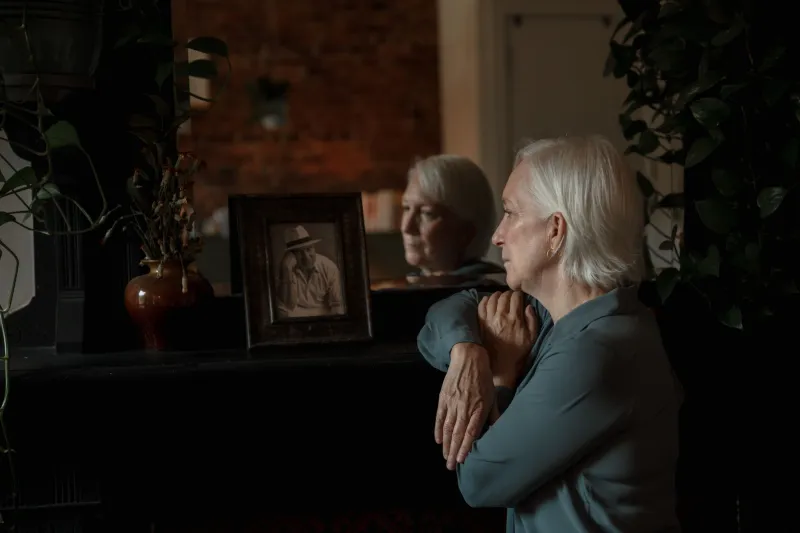
Most of us spend a lot of time thinking about what we want in a new friend. Shared hobbies, similar schedules, a good sense of humor — the usual checklist. But here's the thing: that list often reflects who we think we are, not who we've actually been in friendships. Your real social preferences, your patterns, your dealbreakers — they're already documented. Not in a bio or a profile, but in the friendships you've already lived.
Think of it as your friendship resume. And like any resume, it's worth reviewing before you put yourself out there again.
The Patterns You Keep Repeating (Whether You Mean To or Not)
Take a minute and think about your three closest friendships from different chapters of your life — college, your twenties, maybe the early years of your career. Now ask yourself: what did those people have in common?
Not surface stuff like "we both liked the same music." Go deeper. Were they people who initiated plans, or did you always do the heavy lifting? Were they emotionally available, or did the friendship mostly flow one direction? Did they challenge you, or were they more of a comfort zone?
Most people, when they really sit with this exercise, start noticing themes they never consciously chose. Maybe you keep gravitating toward people who need a lot of support — and you realize you like feeling needed, until you don't. Maybe every close friendship you've had started as a work relationship, which tells you something about how you actually warm up to people (slowly, in context, over time).
These aren't character flaws. They're data. And data is useful.
The Friendships That Worked — And Why
It's easy to romanticize the friendships that ended badly and overlook the ones that quietly thrived. But the good ones deserve just as much attention, maybe more.
What made your best friendships actually work? Not just the fun parts, but the structural stuff. How often did you see each other? Did you communicate mostly in person, by text, through group hangs? Was there a shared activity at the center of the relationship — a weekly run, a standing dinner, a fantasy football league — or was it more free-form?
For a lot of adults, the friendships that lasted weren't necessarily with the most interesting people they'd ever met. They were with people whose rhythms matched theirs. Someone who also hated making plans more than two days in advance. Someone who didn't take it personally when you went quiet for a week. Someone who showed up the same way every time, no performance required.
Compatibility in friendship isn't just about personality — it's about logistics, communication style, and emotional bandwidth. Knowing which combination worked for you in the past is like having a blueprint for what to look for next.
The Red Flags You Explained Away
Here's the uncomfortable part. Most of us, if we're honest, have stayed in friendships way longer than we should have. And when we look back, the warning signs were usually there early. We just had really good reasons to ignore them.
Maybe a friend repeatedly canceled on you but you told yourself they were just busy. Maybe someone had a habit of making everything about themselves, but you figured that was just how they processed things. Maybe the friendship only existed when it was convenient for the other person, and you kept showing up anyway.
The point isn't to beat yourself up about any of this. The point is to get honest about what you've been willing to tolerate — and ask yourself whether those tolerances are still serving you. Because often, when we ignore early red flags, it's not naivety. It's a deeper belief that we don't deserve consistency, or that a flawed connection is better than no connection at all.
That belief tends to get quieter the more intentional you become about friendship. But first, you have to name it.
What This Tells You About What You Actually Need
Once you've done this kind of review, something usually becomes clear: the friendship you've been describing in your head — the low-maintenance, always-up-for-anything, deeply loyal person who somehow has the same free weekends as you — is actually a composite. A little bit of this person, a little bit of that one, minus the parts that wore you out.
That composite is useful. It tells you what qualities genuinely matter to you versus what you've just gotten used to wanting because it seemed achievable.
For some people, the big revelation is that they need more reciprocity than they've been asking for. For others, it's that they've been prioritizing social overlap (same friend group, same neighborhood) over actual depth. And for others still, it's that they've never really had a friendship built on genuine mutual interest — and they're finally ready for one.
Bringing This Into Your Next Chapter
When you're exploring a new community — whether it's a local club, a hobby group, or a platform like Adult Friend Clubs — you're not starting from scratch. You're starting from experience. And that's an advantage, not a liability.
The people who make the best new connections as adults aren't necessarily the most outgoing or the most interesting. They're the ones who know themselves well enough to recognize a good match when they see one — and to walk away from a dynamic that's already shown its hand.
Your friendship history isn't baggage. It's a map. The question is whether you're actually using it.
So before you fill out that profile or introduce yourself to a new group, take a beat. Look back at where you've been. Because the version of you that shows up with that kind of self-awareness? That's the version people actually want to know.