Daylight, Decaf, and Real Conversation: Why the Afternoon Gathering Is Winning

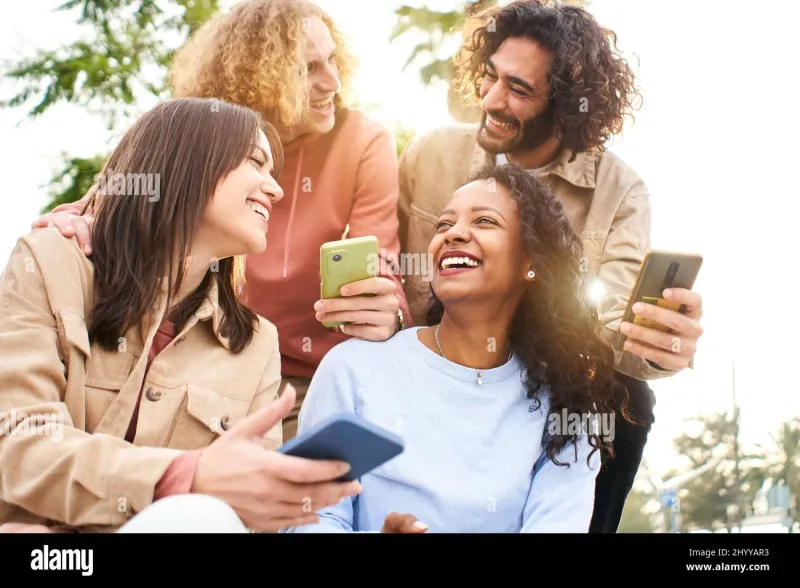
Photo: diverse adults laughing at outdoor afternoon brunch table on sunny patio, via netrecruit.com
The first time I walked into a daytime lifestyle event, it was 11 a.m. on a Sunday, and someone handed me a mimosa next to a platter of bagels. It felt like I'd crashed a very friendly tailgate. Nobody was performing. Nobody was shouting over bass. Two people were deep in a conversation about their dog's surgery, and a third was sketching in a notebook on the patio.
Three hours later I left with two phone numbers and zero hangover. That's the pitch, honestly.
The 2 P.M. Party Is Having Its Moment
For years, the default picture of a lifestyle gathering was after dark — dim rooms, loud music, a lot of pressure to seem interesting by 10 p.m. And there's nothing wrong with that. Nighttime still has its people.
But something's shifted. Look at any community calendar in 2026 and you'll find the daytime slots filling first. Sunday brunch meetups. Saturday morning hikes that end with coffee. Afternoon pool parties where the playlist is more Fleetwood Mac than club. Backyard cookouts with a hard stop at 5 because everyone has a dog at home.
Part of it is practical. People are tired. Weeknights are brutal, and a Tuesday event that starts at 9 means Wednesday is a loss. Part of it is cultural — a lot of adults who spent their twenties in bars are now openly bored of them, and they're not shy about saying so.
Why Sunlight Changes the Social Math
There's something about being outdoors in the middle of the day that lowers the stakes on everything. You can see people's faces. You can hear them without leaning in. The lighting doesn't do anyone favors, which somehow makes everyone more honest.
Daytime also flattens the alcohol question. A mimosa at brunch is optional in a way a drink at a dark bar never quite is. For sober-curious members, people in recovery, or anyone who just doesn't want a buzz tonight, the afternoon format means you're not constantly explaining yourself. You're just holding a seltzer and having a conversation, and nobody's counting.
And because the event ends before dinner, there's a natural out. You got what you came for, and you're not stuck watching the energy curdle at 1 a.m. when the crowd thins and the room gets weird.
Who's Showing Up
A pretty wide cross-section, in practice. Newcomers seem to love daytime events because the entry bar is lower — you can arrive alone, you're not the only one in daylight clothes, and the format tends to produce actual talking rather than shouting.
Longtime members like them because they're sustainable. You can do a Sunday brunch every month for a decade. You cannot do a midnight warehouse party every month for a decade, at least not without consequences.
And there's a third group that's grown quietly: couples and friend-pairs who want community without the whole evening disappearing. They want to be home by 7. That's not a lack of enthusiasm. That's just being forty.
What Good Organizers Are Actually Building
Designing a daytime event is its own craft. The best ones I've been to share a few features.
A real venue, not a compromise venue. A park pavilion, a rented pool, a brewery patio with actual shade. Somewhere that doesn't feel like a nightlife space with the lights turned on.
Layered arrival times. An open window of an hour or two rather than a hard start, so nobody has to walk into a room that's already formed its circles.
Food that anchors the room. Brunch works because a table of food gives people something to do with their hands and a reason to talk to the person next to them.
Alcohol that's offered, not assumed. A well-stocked nonalcoholic option isn't a courtesy anymore. It's a basic design choice, and the organizers who get it right say it transforms who shows up.
A grounded host. Consent conversations don't stop existing at noon. Good daytime organizers set tone out loud — what this space is for, what the ground rules are, who to talk to if something feels off. It takes two minutes and it changes everything.
The Follow-Up Is the Whole Game
Here's the part that gets missed: daytime events are better at creating friendships, but only if someone does the next step. A brunch ends and everyone goes home to their separate Saturdays. The magic is in the text that goes out Monday — 'hey, that thing you mentioned about the trail, here's the link.'
Communities that thrive on daytime programming tend to have a designated person whose job is basically follow-up. Not matchmaking. Just connective tissue.
How to Read a Calendar Like a Regular
If you're newer to all this and trying to figure out where to start, look for the events with daylight and a defined end time. Find the ones with a host named on the invite. Go to the recurring ones — the second Sunday brunch, the monthly hike. Recurrence is where community actually lives, because you get to see the same faces twice, and twice is when people remember you.
Bring a layer. Bring a snack. Leave when you're done, and say goodbye on the way out. That's the whole thing. The afternoon doesn't ask for much, which is exactly why so many of us are showing up.